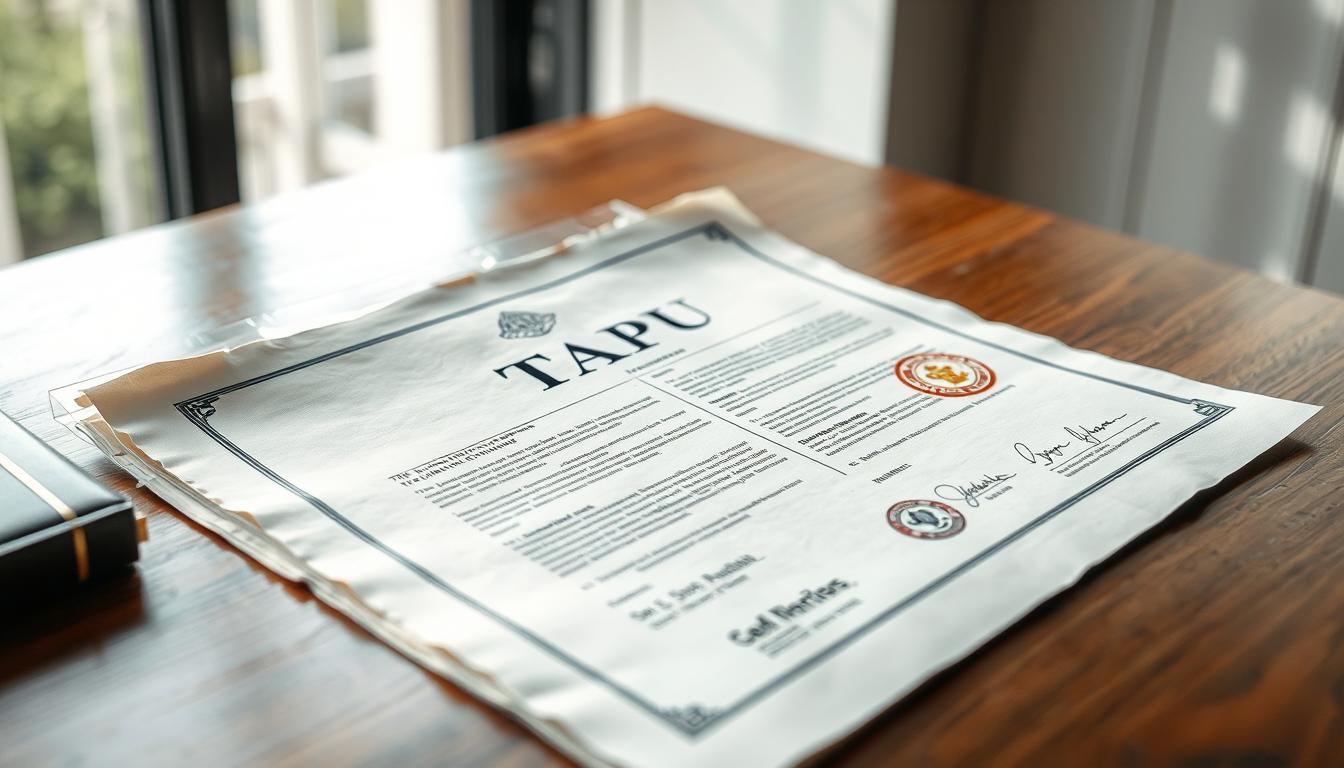
We guide UK-based owners through the steps to prepare a sale file that buyers and officials trust. The Tapu (title deed) is the anchor of ownership and everything else supports it: a notarized, translated passport page, Turkish tax number, biometric photos, DASK (earthquake insurance), municipality valuation, and an SPK-licensed valuation report.
Before you apply at the Land Registry Office we'll need the valuation report and cleared local taxes. Sellers should avoid signing the final deed until funds are confirmed. We coordinate translations, tax payments, DASK, and the final Land Registry appointment to reduce delays.
For UK sellers, remote completion via Power of Attorney is common. We draft tight PoAs, manage consular formalities, and list securely on local and international portals to keep market exposure high.
Our priority is safe funds handling, clear timelines, and a compliant file that speeds the sale. Call us at +90 538 025 99 96 or email [email protected] to start.
Key Takeaways
- Tapu (title deed) plus translated ID and an SPK valuation are mandatory before Land Registry application.
- Clear municipal taxes and confirm funds before finalizing the deed to avoid risk.
- We manage DASK, translations, taxes, and registry steps to shorten the process.
- UK sellers can complete sales remotely with a well-drafted Power of Attorney.
- Transparent coordination and safe fund controls speed market-ready transactions.
How UK Sellers Can Navigate Turkey’s Property Sale Process Today
A clear Tapu record at the land registry is the anchor of any quick international sale. We explain why the title deed matters and how to stage your file so the buyer can trust the transfer.
What “Tapu” Means and Why It’s the Cornerstone
The Tapu is the official title deed registered at the land registry. Without it, no deed transfer or title deed transfer can occur.
We’ll need the Tapu, valuation report, DASK insurance, ID with Turkish tax number, and a PoA when you are remote. These documents clear verification and keep delays to a minimum.
From Offer to Completion: End-to-End Timeline
Typically the process starts with an offer and a preliminary agreement with a customary deposit. Next comes file preparation and scheduling at the land registry office for final signing.
- Agree on price and terms.
- Sign a deposit agreement (often 10%).
- Prepare documents and book the registry office appointment.
- Attend in person or via an appointed agent to complete the deed transfer.
“A well-briefed agent synchronises schedules, clears checks, and helps reach completion on time.”
We advise that transfer tax (commonly 4%) and fund clearance be captured in the contract so buyers and sellers share expectations and risks.
legal requirements selling property turkey: Documents, Tapu Readiness, and Power of Attorney
We begin by assembling a complete file so the registry office accepts your application first time. A tidy packet reduces delays and protects your sale proceeds.
Core documents include the Tapu, a notarized and translated passport ID page, Turkish tax number, two passport photos, and earthquake insurance (DASK). The mandatory SPK‑licensed valuation and the municipality value document set a compliant asking price.
Clear all outstanding municipal taxes and check for liens, mortgages, or disputes. We verify title and ownership status up front so the transfer is not held at the registry office.
Power of Attorney from the UK can be issued at the Turkish Consulate or a UK notary and must be apostilled and translated. The PoA should explicitly authorize negotiation, signing and completion at the Land Registry.
Certain addresses require military zoning clearance for foreign‑to‑foreign transfers; this can add several weeks. We start those checks early and advise on timing.
- We never authorise the final deed until funds land in the designated account and the transfer is confirmed.
- Our lawyers can coordinate escrow‑style controls and final disbursements to protect you and buyers.
Pricing, Marketing, and Buyer Management for a Fast International Sale
Accurate pricing blends a certified valuation with recent sales and regional nuances to attract committed buyers. We start with an SPK‑licensed valuation and adjust the asking price using live comps, size, view, and amenities. This approach reduces days on market and improves buyer confidence.
Establishing market-true price
We calibrate price using the licensed report plus local comparables. Turkish buyers negotiate actively, so a realistic ask accelerates offers and preserves negotiation leverage.
Listing strategy
We craft bilingual listings in English and Turkish and use pro photos, video walk‑throughs, and drone footage for coast or view assets. Listings run on Sahibinden and Hurriyet Emlak locally and Rightmove Overseas and Zoopla internationally to reach the right market.
Handling buyer inquiries and negotiations
Our appointed agent or attorney‑in‑fact manages viewings, documents, and offers under PoA where needed. We qualify buyers early with proof of funds and financing status to reduce false starts.
- Targeted price setting: valuation + live comps to meet market demand.
- Dual-channel exposure: top Turkish portals and international platforms.
- Buyer vetting: proof of funds, readiness to transact, and supervised viewings.
- Performance monitoring: views, inquiries, and viewing-to-offer ratios to refine strategy.
"A clear listing and rapid buyer qualification produce stronger offers and faster sales."
Title Deed Transfer, Taxes, and Post-Sale Compliance
We prioritise a concise completion pack so the title deed transfer at the land registry office runs smoothly. A clear preliminary agreement (Satış Vaadi Sözleşmesi) and a standard 10% deposit protect both buyer and seller and lock price and timelines.
Signing the preliminary agreement and deposit norms for buyer-seller protection
We prepare and negotiate the preliminary contract to set deposit conditions, remedies, and completion dates. This reduces disputes and gives buyers and sellers confidence as the sale progresses.
Completing title deed transfer at the Land Registry Office: Who attends, what to bring
On completion both parties or their representatives attend the land registry office with the Tapu, the official valuation report, DASK certificate, ID with Turkish tax ID, and a notarized power attorney if used.
Our lawyer or appointed agent manages document checks, signatures, payment release, and registry updates so the deed transfer and transfer are recorded before keys change hands.
Costs and taxes
Expect a transfer tax of about 4% of the declared value. Typical transaction costs also include agent commissions (4–6%), translator fees (€100–€150), and legal/notary fees (€500–€1,000).
Capital gains tax rules and UK reporting
If you have owned the asset for five years or more, capital gains are often exempt in Turkey; within five years, gains tax may apply. UK residents must report foreign gains to HMRC and can use the UK–Turkey double tax treaty to avoid double taxation.
“We confirm funds before final signatures and retain a full audit trail of receipts, taxes, and sworn translations.”
- We compile your completion pack and schedule the registry appointment.
- We model net proceeds under different ownership years and tax scenarios.
- We handle post-sale tasks: cancelling utilities, notifying the municipality, and final meter readings.
Conclusion
Conclusion
Well-prepared files and a trusted point person turn a complex cross-border sale into a routine closing.
We streamline the process from document readiness through title deed transfer. For UK sellers, remote completion via a notarised power attorney is practical when the Tapu, valuation, DASK, and ID with Turkish tax number are in order. A preliminary agreement with a 10% deposit sets timelines and protects both parties.
We insist on safety-first fund controls: never sign the deed until cleared funds appear in the agreed account. Post-completion tasks include municipal notice and utility cancellations, and we provide clear modelling for tax outcomes, including five-year exemptions and HMRC reporting.
Contact our multilingual team to plan your sale or to sell property from the UK with confidence: +90 538 025 99 96 or [email protected].
FAQ
What documents do we need to prepare to sell with a clear Tapu?
You’ll need the original Tapu (title deed), a notarized copy of the seller’s passport ID page, Turkish tax number, recent passport-style photos, and DASK earthquake insurance. In many cases buyers also request a municipal valuation document and the latest utility bills to confirm no outstanding debts. Preparing these in advance speeds the transfer at the Land Registry Office.
What does “Tapu” mean and why is it essential?
Tapu is the official Turkish title deed that proves ownership. It records parcel details, ownership share, and any encumbrances. The Land Registry will not complete a transfer without a valid Tapu, so verifying its accuracy and ensuring there are no liens or restrictions is crucial before marketing the asset.
How long does the full sale process usually take, from offer to completion?
Timelines vary, but a straightforward sale with prepared documents typically completes within two to six weeks. This covers agreeing on price, obtaining a valuation report, clearing any tax or municipality issues, and attending the Land Registry Office for deed transfer. Complex cases or foreign-to-foreign transactions can take longer.
Is a valuation report mandatory and how does it affect the sale price?
Yes, a licensed valuation report is usually required for official registration and tax calculations. The report sets a reference value used by authorities. We recommend using the valuation alongside local comparable sales to set a market-true asking price and avoid disputes or unexpected tax assessments.
What checks should we run before listing to avoid surprises?
Check that all property taxes are paid, confirm no outstanding mortgages or court disputes, and verify zoning/military restrictions. A title search at the land registry and a municipal records check help uncover encumbrances that could block a transfer.
Can we appoint someone in Turkey to sell on our behalf from the UK?
Yes. Sellers commonly use a power of attorney (PoA) granted in the UK, notarized and apostilled, or legalized at a Turkish consulate. The PoA should specify the scope—marketing, signing contracts, or completing the Tapu transfer—and be carefully drafted by a lawyer to protect your interests.
Do UK sellers need consular legalization for a PoA or is an apostille enough?
An apostille issued under the Hague Convention is generally sufficient for documents executed in the UK. If the document is prepared by a non-Hague country process or you prefer consular services, the Turkish consulate can also legalize it. Confirm with your attorney which route fits your case.
Are there military or zoning approvals that can delay a foreign-to-foreign sale?
Some parcels require military or special zoning approval, particularly near sensitive areas. These approvals can extend the timeline. Your agent or lawyer should check the property’s zoning and any military status early in the process to set a realistic schedule.
When should we avoid signing the final deed or handing over funds?
Do not sign the title deed transfer or release funds until you verify the buyer’s cleared payment into a verified account and confirm the Land Registry appointment. Avoid premature transfers and ensure funds are irrevocably available or in escrow for seller protection.
What’s the best pricing strategy to attract international buyers quickly?
Use a licensed valuation and recent comparable sales to set a competitive price. Factor in regional market nuances and buyer demand. Price slightly below stagnating listings to generate offers quickly while retaining margin for negotiation.
How should we market the asset to international buyers?
Create bilingual listings, professional photos, and virtual tours. List on both local Turkish portals and international real estate platforms. Work with an agent experienced in cross-border sales and provide clear, concise documentation packets for buyers.
Can our agent handle buyer negotiations and the closing at the Registry Office?
Yes, agents or an attorney-in-fact acting under a PoA can handle inquiries, negotiate terms, and attend the Land Registry Office on your behalf. Ensure your PoA explicitly authorizes these actions and that you trust the appointed representative.
What happens at the Land Registry Office when transferring the Tapu?
At the appointment, both parties or their representatives present IDs, the Tapu, valuation, tax receipts, and the signed preliminary agreement or contract. The registry verifies documents, collects fees, and issues a new Tapu in the buyer’s name. Translators and attorneys often attend to ensure accuracy.
What fees and taxes should sellers expect at closing?
Typical costs include the title deed transfer fee (often shared but commonly 4% of the declared sale price), real estate agent commission, notary and translation fees, and any attorney expenses. Sellers should also settle outstanding municipal taxes or utility debts before transfer.
How does capital gains tax apply for non-resident sellers and what about UK reporting?
Capital gains tax in Turkey can apply to gains from selling real estate; properties held for five years or more may qualify for exemption under certain conditions. Sellers must also report disposals to HMRC if they are UK tax residents. Turkey and the UK have a double tax treaty to prevent double taxation; consult a tax advisor to determine liabilities and claim reliefs.
Should we use an escrow or bank process to secure the sale funds?
Using an escrow service or bank-secured transfer protects both buyer and seller. Funds are released upon completion conditions—typically after the Tapu is registered in the buyer’s name. This reduces fraud risk and ensures a safe transfer of ownership and money.
Can we complete a sale entirely remotely from the UK?
Yes, with a properly drafted PoA and trusted representatives in Turkey, most steps can be handled remotely. You’ll still need certified documents, apostilles, and coordinated bank transfers. Work with a reputable law firm or agent to manage the process and attend the Land Registry Office on your behalf.
Who should we contact for help with document checks, PoA drafting, and transfer coordination?
We recommend engaging a specialist real estate lawyer and an experienced estate agent familiar with international closings. For direct assistance, contact us at +90 538 025 99 96 or [email protected]. We guide sellers through every step to ensure a secure, compliant sale.