If you want to live in Turkey in winter and still have shops, cafés and neighbours around you, look at the working towns on the coast: Antalya, Alanya, Fethiye with Çalış, and Bodrum town. Resort villages such as Kalkan, Kaş, Ölüdeniz and Yalıkavak are much quieter from November to March. Winters are mild but wet, and direct international flights to Dalaman and Bodrum drop sharply, so a winter home needs good heating and some travel planning.
The figures here come from the Turkish State Meteorological Service (MGM) and the airport authority (DHMİ), checked on 12 November 2026.
What does winter really look like on the Turkish coast?
Expect mild days, cool nights and the year's heaviest rain. MGM's long-term statistics for Antalya, the largest city on this coast, show:
| Antalya | December | January | February |
|---|---|---|---|
| Average daytime high | 16.7°C | 15.0°C | 15.6°C |
| Average night-time low | 7.7°C | 6.1°C | 6.4°C |
| Average monthly rainfall | 251 mm | 226 mm | 148 mm |
| Average rainy days | 12 | 12 | 10 |
| Average sunshine per day | 4.8 hours | 4.9 hours | 5.7 hours |
Rain usually comes in heavy spells with clear, sunny days between them. Even so, December and January bring more rain to Antalya than the whole of April to September put together, which is why damp and drainage matter so much in a winter home.
The sea holds its warmth well into autumn. On 11 November 2026, MGM's coastal stations recorded sea temperatures of about 22°C at Fethiye and Bodrum and about 23°C at Kaş and Alanya. It cools steadily through the winter, so most people swim in the early weeks and again from spring.
MGM's public site has no long-term climate tables for Fethiye, Bodrum, Kalkan or Kaş. They share the same Mediterranean pattern of mild, wet winters, but conditions vary with altitude: hillside villages are cooler and windier than the seafront.
Which towns stay open all year?
The towns that stay lively are the ones where people live and work all year, with schools, hospitals, markets and municipal services.
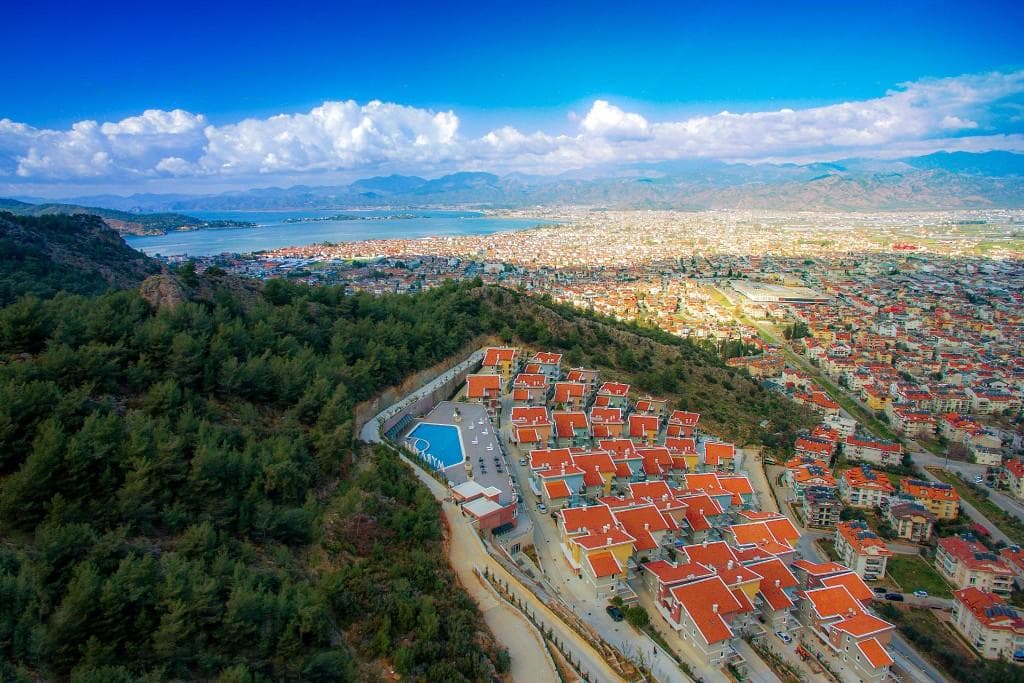
- Fethiye is a working harbour town with shops, markets and services open all year. Çalış, its beach suburb, is linked to the centre by a seafront promenade, and some of its cafés and restaurants trade through the winter.
- Antalya is a large city with an international airport, hospitals, shopping centres and cultural life all year. It suits people who want city services within reach.
- Alanya, further east along the coast, is a sizeable town whose resident population keeps it busy outside the summer.
- Bodrum town is the year-round centre of the peninsula, and Bitez, Ortakent and Turgutreis are also lived in through the winter. The north-coast bays are much quieter.
If you want winter life on your doorstep, look at homes within walking distance of the centre or the seafront. Hillside complexes may be half-empty out of season.
Where are winters quieter: Kalkan, Kaş, Ölüdeniz and Yalıkavak?
These places are at their best in summer and slow right down in winter, when many restaurants and beach businesses close for the season.
- Kalkan is a hillside village of villas above a small harbour, calm and very quiet in winter.
- Kaş, along the coast, is a small town with a resident community and a harbour. It is quieter in winter but not deserted.
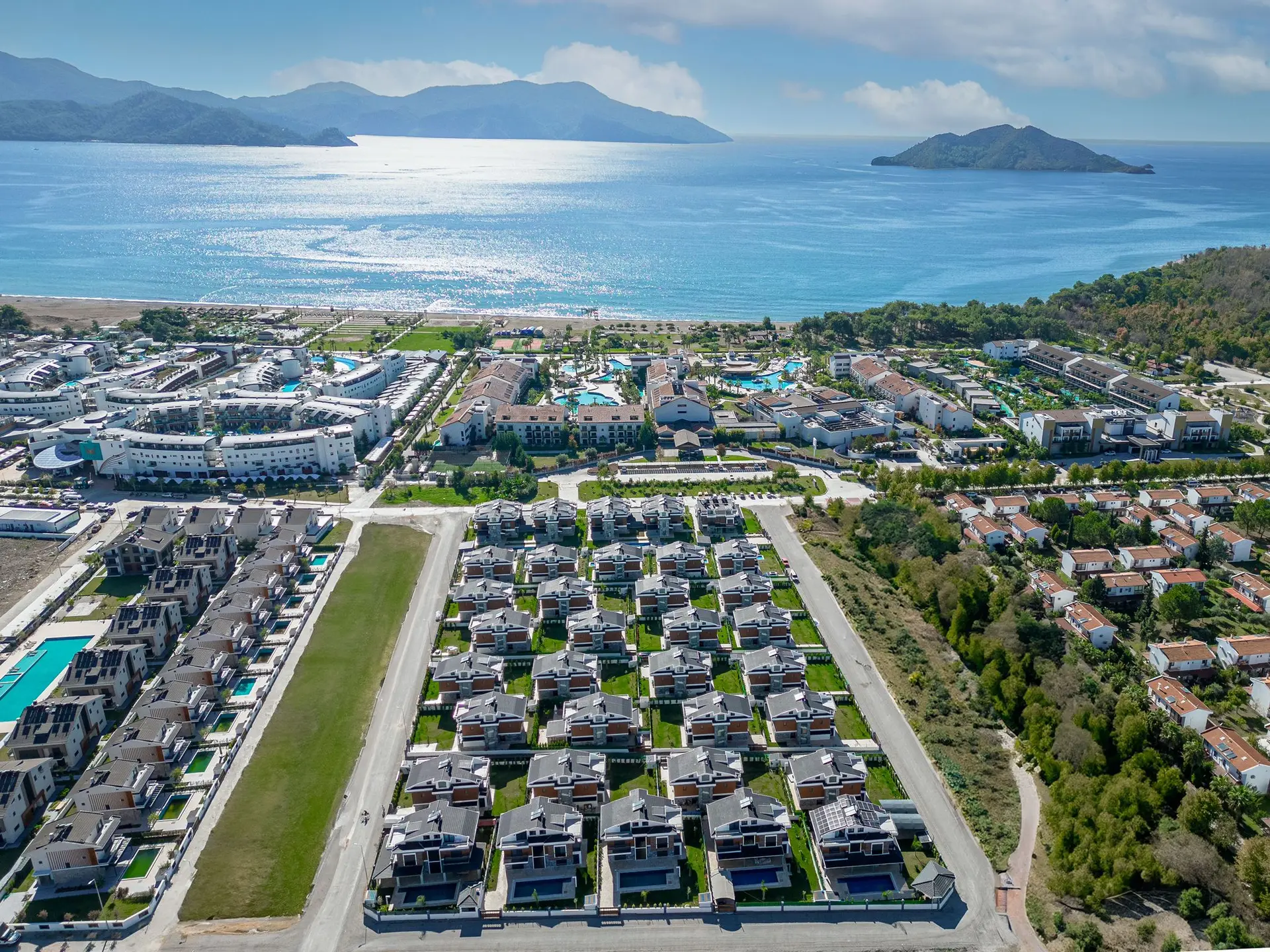
- Ölüdeniz is a beach resort near Fethiye. Many of its hotels and bars close in winter, but Fethiye's services are a short drive away.
- Yalıkavak grew up around its marina on the Bodrum peninsula and is far quieter in winter than in summer.
A quiet winter suits some buyers, such as writers, walkers and people who want a peaceful base. If you need company, shops and regular transport, it can feel isolated, so test it before you buy.
Heating, damp and insulation: what to check in a winter home
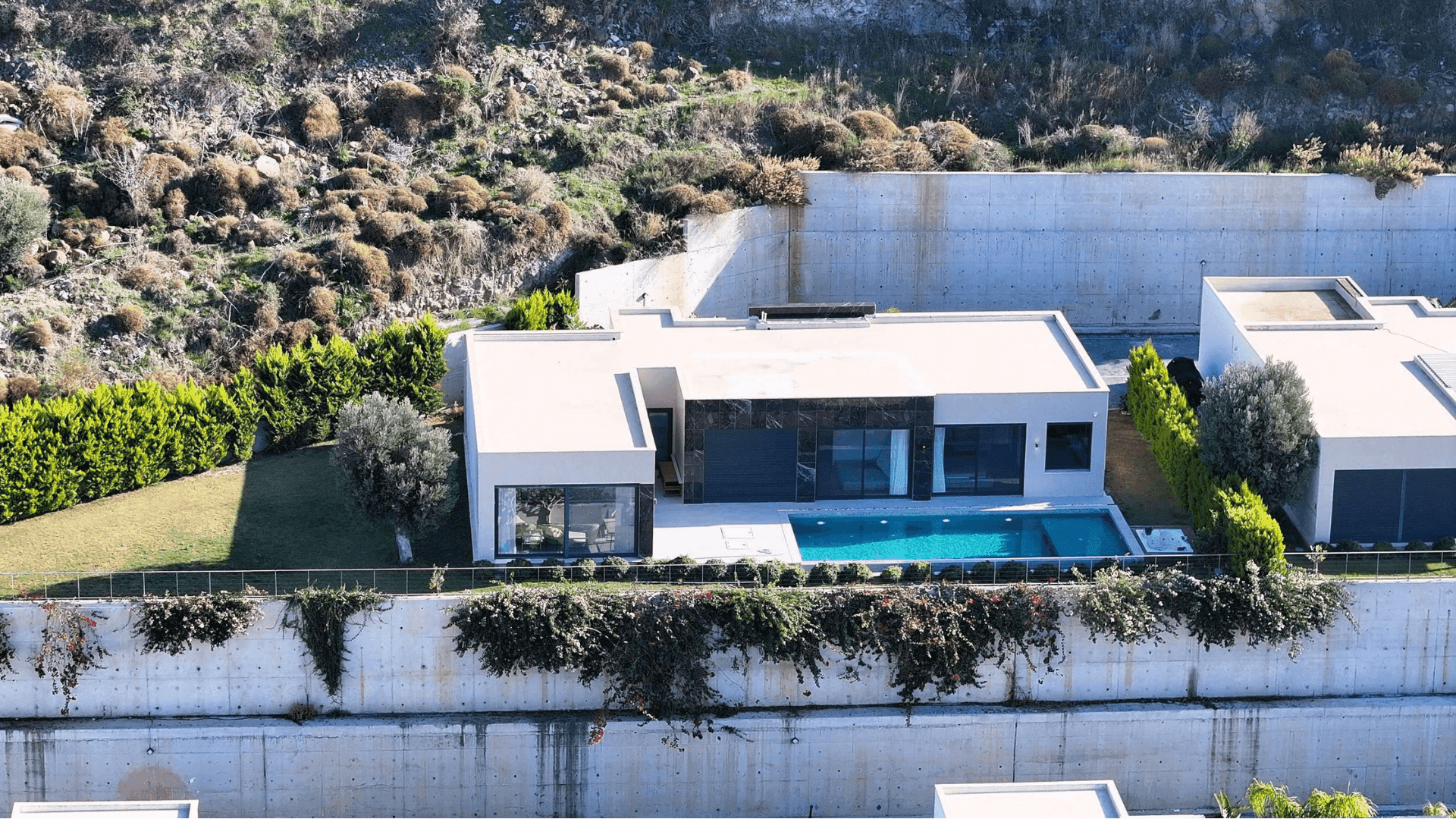
Many coastal homes were built for summer. Before you commit to one for winter use, check:
- how it is heated: air-conditioning units in heat-pump mode are common, but some homes have underfloor heating, radiators or a wood burner. Ask about winter electricity bills;
- whether the walls have external insulation, the windows are double-glazed and the roof is insulated;
- for signs of damp such as mould, peeling paint or a musty smell, especially in ground-floor rooms, wardrobes and bathrooms, and whether the home has been occupied in previous winters;
- how water runs off the plot and the access road, since heavy rain tests gutters, terraces and retaining walls;
- for an electric back-up to the solar water heater, which works less well in cloudy spells;
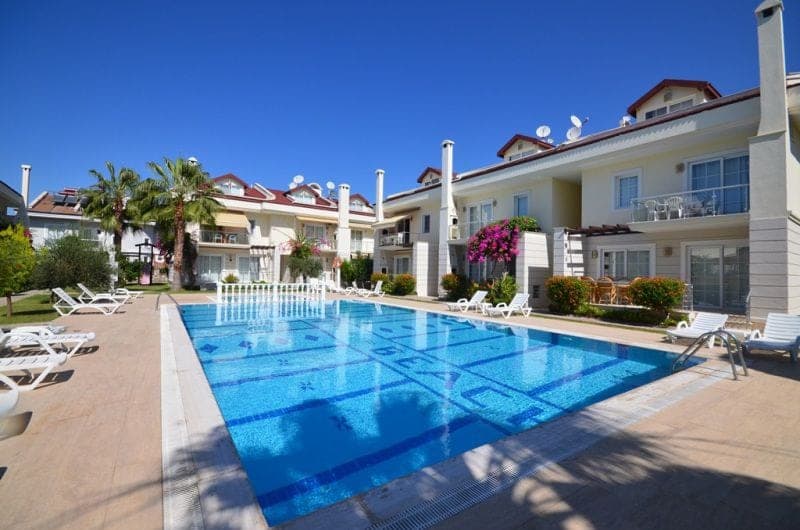
- who maintains the pool and garden while you are away, and what that costs over the winter.
A home that is empty all winter needs someone to air it and check it after storms, so build that into your plans.
What about flights and access in the off-season?
Here the coast differs most between summer and winter. DHMİ figures show how sharply international traffic falls at the regional airports, while Antalya stays busy:
| Airport | International passengers, January 2026 | International passengers, June 2026 |
|---|---|---|
| Antalya | about 527,000 | about 3.85 million |
| Dalaman (for Fethiye, Dalyan, Göcek) | about 9,600 | about 471,000 |
| Milas-Bodrum | about 4,500 | about 279,000 |
Dalaman and Milas-Bodrum still handled around 79,000 and 104,000 domestic passengers in January 2026, so flights via Istanbul or Ankara are the usual winter route. Antalya keeps far more international flights through the winter. The figures are provisional DHMİ data, so check airline schedules for your dates before you book a long stay.
Remember the visa-free limit too: UK passport holders travelling as tourists, and holders of most EU passports, can stay up to 90 days in any 180-day period; check the rule for your passport with the Ministry of Foreign Affairs. A longer winter needs a residence permit.
Why rent for a winter before you buy?
A winter rental is the cheapest way to find out whether a town suits you out of season. While you are there:
- walk to the shops, the doctor and the seafront on a wet weekday as well as on sunny days;
- note which cafés, restaurants and services stay open in January;
- test the drive or bus to the airport and the nearest hospital;
- ask neighbours how warm and dry their homes stay;
- visit homes you like in the rain, when damp and drainage problems show.
Short lets of 100 days or less must have a Ministry of Culture and Tourism permit under Law No. 7464, so for a stay of a month or two, check that the property is permitted.
Key takeaways
- Antalya, Alanya, Fethiye with Çalış and Bodrum town have the most winter life.
- Kalkan, Kaş, Ölüdeniz and Yalıkavak are much quieter from November to March.
- Antalya averages daytime highs of about 15 to 17°C from December to February, but this is also the wettest season.
- International flights to Dalaman and Bodrum fall sharply in winter; Antalya keeps far more.
- Check heating, insulation and damp before buying a home for winter use.
Frequently asked questions
Is Fethiye busy in winter?
Yes, by local standards. It is a working town and stays open all year, while nearby resorts such as Ölüdeniz and Hisarönü go quiet.
What is Kalkan like in winter?
Very quiet, with many restaurants closed for the season. Kaş has a little more going on.
How warm is the Turkish coast in winter?
In Antalya, MGM records average daytime highs of 15.0°C in January and 16.7°C in December, with night-time lows around 6 to 8°C. Hillside villages are cooler.
Can I fly directly to Dalaman or Bodrum in winter?
Only on a few routes. In January 2026 most passengers at both airports flew domestic, often connecting through Istanbul.
How long can I stay in Turkey for the winter without a permit?
Up to 90 days in any 180-day period if you are a visa-free visitor from the UK or many EU countries. Beyond that you need a residence permit.
Find a home for every season
Browse our homes in Fethiye, Antalya, Kalkan and Bodrum, and contact us with questions about any area.
Sources (checked November 2026)
- MGM: Antalya climate statistics (1930–2025)
- MGM: sea-water temperatures (readings of 11 November 2026)
- DHMİ: airport passenger statistics, January 2026
- DHMİ: airport passenger statistics, January–May 2026
- DHMİ: airport passenger statistics, January–June 2026
- Turkish Ministry of Foreign Affairs: visa information for foreigners
- Official Gazette: Law No. 7464 on tourism-purpose rentals (2 November 2023)
This article is general information, not legal or travel advice. Schedules and rules change, so check the current position before you plan a stay.